Product strategy at the center of how people pay and travel.
I live in the points, miles, and cashback community, optimizing my spend for maximum savings and discounted or free travel. That started with a simple want: a better Apple Card, with rewards and benefits I would actually reach for, so I redesigned it. Then the issuer walked away, and the want became a harder question: what happens to 12 million cardholders when their card loses its bank? I answered by pricing the Apple Card migration and building the decision screen a cardholder would actually see in Apple Wallet.
The second case study came from the same place. When the Visa and Mastercard interchange settlement lets merchants refuse a card outright, who actually pays, and who actually benefits from the relief? This matters for people in the points and miles community because the best travel cards carry annual fees, and if a merchant can refuse the card outright, the fee stops paying for itself. I read the terms and followed the money. Both end in a recommendation I would defend in the room.
Two case studies in payments, fintech, and travel.
Apple moves 12 million cardholders to a new issuer, and nothing about the card itself has been announced, so a straight handover with the same product is a real possibility. Three chapters, read through the three lenses that decide whether a card portfolio works: a better card, with a rewards system and benefits worth keeping, a business case that keeps the losses from moving across the portfolio, and a decision screen a cardholder would actually see.
Goldman lost more than $3B and never turned a profit, with 34% of borrowers subprime. Re-underwrite every account on a five-factor risk score, weighing Delinquency history, FICO Score 8, Credit utilization, Annual income, and Account history, so how someone actually pays can outrank their score and the losses do not move across with the portfolio.
Closing an account takes the history with it. A third outcome routes people to Chase Freedom Rise, where 12 months of on-time payments graduate them to the Apple Card, and the model puts 59.26% of them there. Anyone who clears neither bar gets a written reason and the Path to Apple Card guidance instead.
Against ten cashback cards, the legacy Apple Card’s everyday rate finished dead last, with its 3% locked to a fixed partner list that barely changed in six years. Take Apple purchases to 4% and the wallet rate to 3%, the two that decide whether the card is the one people reach for first, then keep marketing past launch, because top of wallet is won every day rather than at signup.
A settlement 21 years in the making, reported everywhere as a win for merchants. The order cuts swipe fees, but the more durable change is that it rewrites who controls card acceptance. I read the terms themselves, separated the order from the settlement everyone confuses it with, and traced what it does to merchants, to the rewards programs interchange pays for, and to the cardholders who earn from them. The headline rate cut turns out to be the least interesting part.
Coverage led with the rate cut. The durable change is acceptance: merchants can now decline premium credit at the product level, and that right has no expiry while the price relief runs five years.
It is available to everyone and usable by the larger operator. Small merchants cannot negotiate interchange or surcharge in every state, so the leverage lands where the leverage already was.
Rewards are funded by the fee being cut. The analysis follows that chain to premium cards, transfer partners, and the households who optimize around them, without projecting a number the record cannot support.
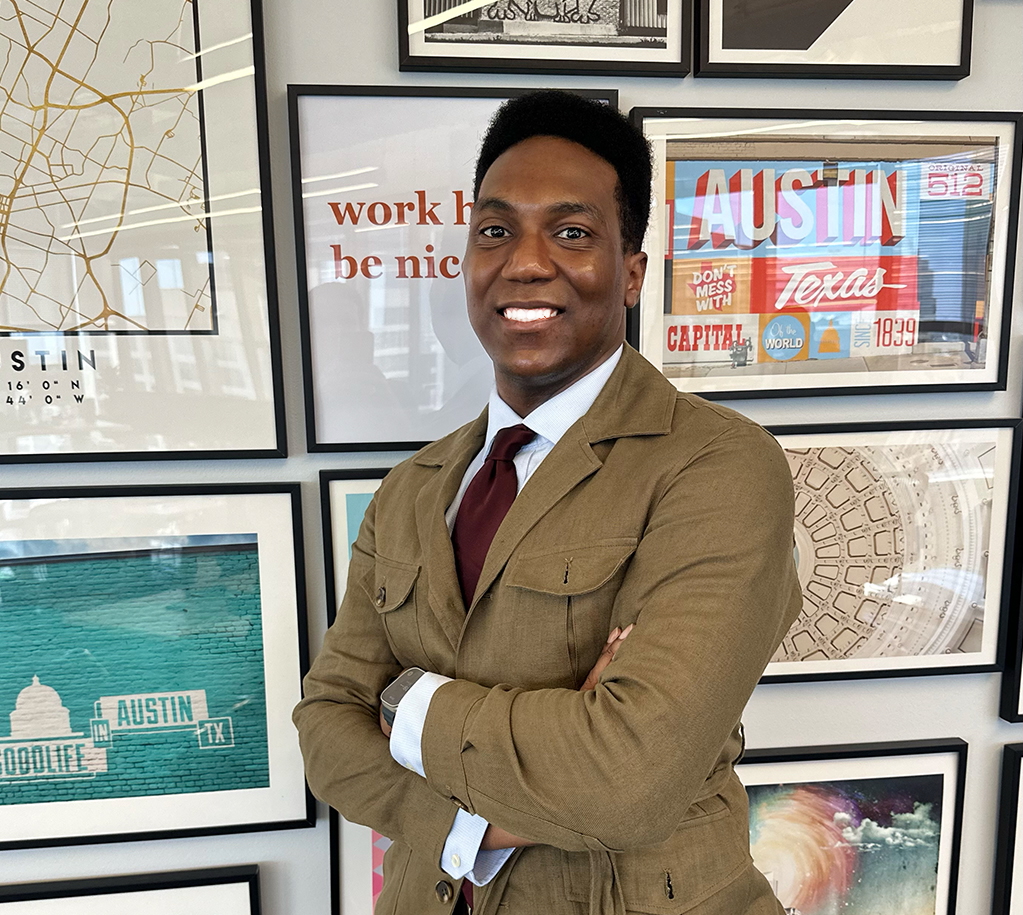
I want to build fintech products at the center of how people pay, get paid, and get where they're going.
That interest is personal. I've used an iPhone for years, and Apple Pay, Apple Wallet, and Apple Card changed how I handle money. They let me save more, shop smarter, and travel easier. Feeling how much a well-built tool can improve an ordinary routine is what turned me toward the small details that decide whether something actually works for the people using it.
I am working toward a Bachelor of Science in Business Management at Western Governors University, on track to graduate in December 2026, with $24,000+ across 6 merit scholarships. I am targeting product strategy, management, and marketing roles in payments, fintech, and travel. I build deliberately through hands-on projects, working toward the day I can help carry an idea from concept to launch to something millions of people rely on.
Independent case studies for portfolio purposes. The Apple Card work is an Apple-inspired concept, not an official Apple product, and is not affiliated with, authorized by, or endorsed by Apple, Visa, Mastercard, Chase, or Goldman Sachs. Scenarios are hypothetical, and every figure shown traces to a named source file in my own models. Company names, card products, and trademarks referenced belong to their respective owners and are used for identification and commentary only. Please do not reproduce, republish, or reuse this material without written permission.